

The wait after skin resurfacing can feel a little strange. Your appointment is over, but your skin is still busy with repair. Laser skin rejuvenation can improve uneven texture, fine lines, and certain scars through changes that gradually develop at the surface and deeper within the skin over time.
If you’re asking, “When will I see results after resurfacing?” it helps to know what your skin is doing between appointments. Continue reading for a practical look at the first three months, including what you might notice and what still needs time.
Why Results Take Time
The laser resurfacing results timeline includes both surface recovery and deeper tissue changes. Collagen is a structural protein that helps support your skin. Collagen production and remodeling may continue even after the skin looks and feels healed.
Your treatment type affects both processes. Ablative lasers remove tissue from the skin’s surface and can involve more intensive healing. Non-ablative resurfacing heats targeted tissue without removing the surface in the same way. Its visible recovery is often shorter, while improvement generally develops gradually.
Fractional describes a treatment pattern, with tiny treated areas surrounded by untreated skin. It can apply to either ablative or nonablative lasers. That’s why two appointments called “laser resurfacing” can have very different recovery instructions and result expectations.
Your First Three Months
These windows follow one treatment and overlap rather than happening in separate, exact stages. Collagen remodeling after laser can continue beyond three months. If you have a series, ask whether the overall result will be assessed from your first or final session.
1. Day One: Repair Begins
The treatment starts a repair response through controlled energy delivered to your skin. Depending on the laser and settings, that may involve heating tissue, removing small areas of tissue, or treating a broader surface.
If you’ve wondered, “Does laser build collagen over time?” this healing response explains how it can. Cells involved in repair, including fibroblasts, help produce new collagen and reshape the surrounding tissue. The response develops over time, and its extent depends on the treatment.
Your immediate reflection won’t measure that progress. Swelling can temporarily make lines look softer, while redness can make texture harder to judge. An early tight or plump feeling doesn’t tell you how much lasting improvement you’ll achieve.
Before leaving, get clear instructions about cleansing, prescribed products, sun protection, and when to check in. Having those details settled makes the first few days feel much more manageable.
2. Week One: Protect the Surface
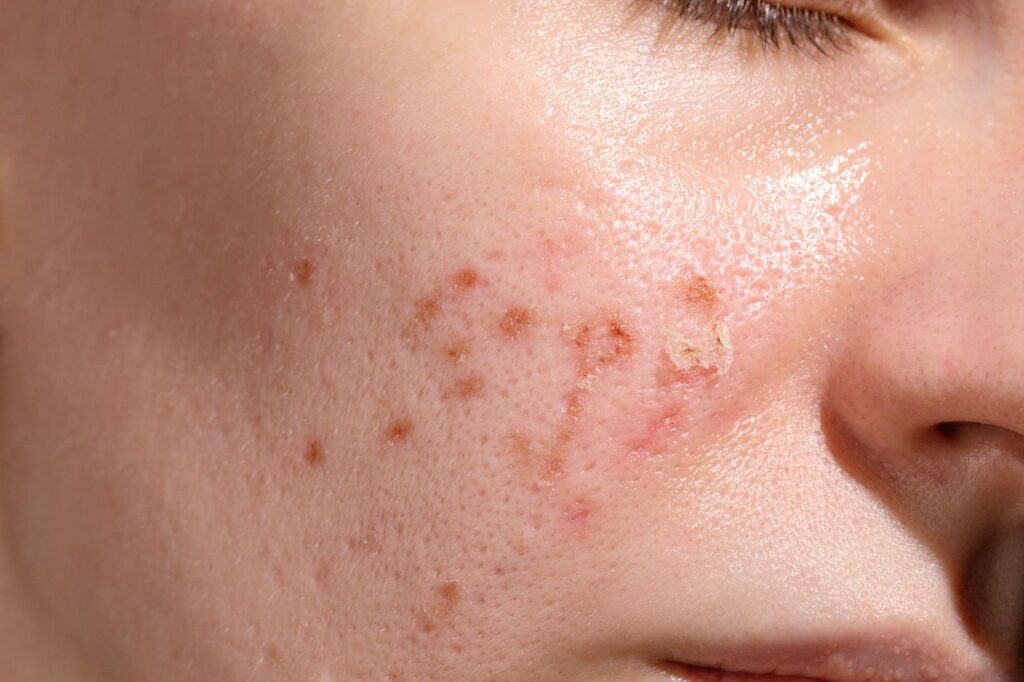
The first week is mainly about following the recovery plan for your particular treatment. Redness, swelling, warmth, and sensitivity may occur, but their intensity and duration vary considerably.
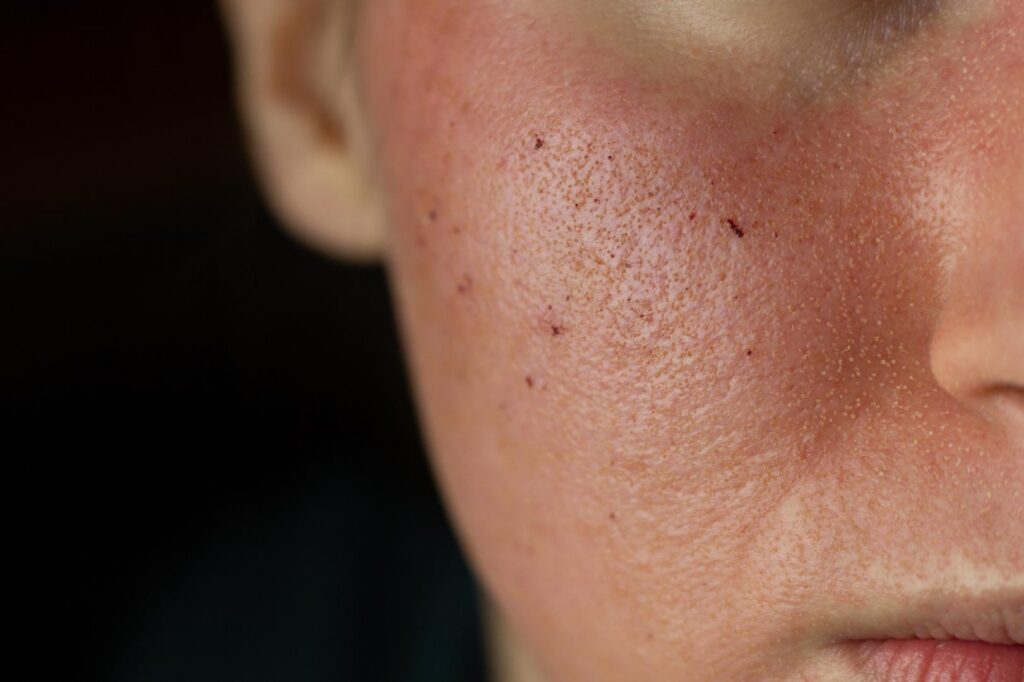
After some nonablative treatments, visible reactions settle within hours or a few days. Certain fractional treatments can also cause dryness, bronzing, or a sandpapery feel. More intensive ablative resurfacing may involve peeling, crusting, or wound care, with surface healing extending beyond the first week.
These differences matter when you’re planning work, social events, or makeup use. A friend’s quick recovery doesn’t predict yours, even if both appointments were described as rejuvenation. Ask what should happen with your exact procedure and what would be unusual.
You may be tempted to help rough skin along with a scrub or peel. Let it shed naturally and follow the products your provider recommends. Extra exfoliation can irritate healing skin and interfere with recovery.
At this stage, comfort and normal healing are more useful checkpoints than wrinkle depth. Your provider can assess whether recovery is progressing as expected.
3. Weeks Two to Four: Early Changes
The next few weeks may bring a smoother surface as peeling settles and the skin barrier recovers. Some patients notice that makeup sits differently or that the complexion looks more even.
This is one answer to “When do laser results show?” Surface changes may become noticeable before the deeper repair response has fully developed. Improvements in discoloration also don’t necessarily follow the same schedule as changes in texture or scars.
Pinkness can remain after more intensive resurfacing, even when the surface has closed. That lingering color doesn’t automatically mean treatment failed. However, worsening symptoms deserve a conversation with your provider instead of an assumption that everything is normal.
Underneath, repair cells are producing and reorganizing tissue. New collagen continues to develop within a changing support structure. The visible result can still shift as swelling settles, which is another reason to avoid judging success from a single mirror check.
Use follow-up appointments to review healing and discuss when your usual skincare can return. Retinoids and exfoliating acids should restart according to your provider’s guidance.
4. Month Two: Progress Builds
During the second month, tissue remodeling remains part of the story. Some patients begin appreciating subtler changes in texture or fine lines as the early recovery period moves further behind them.
The question “How long until laser resurfacing results?” is especially relevant if you chose a series of gentler treatments. You may still be working toward the combined effect of several sessions. One appointment won’t necessarily deliver the outcome planned for the entire course.
This isn’t a reason to rush the next treatment. Your provider should consider the device, your healing, the concern being treated, and your response before setting another appointment. A deeper procedure may need a different interval from a lighter one.
Compare changes with your original goals. Rough texture, fine lines, and deeper scars are different targets, so they may improve by different amounts. A smoother surface can be meaningful progress even when a particular line remains visible.
There isn’t a dependable way to translate each week into a fixed amount of extra collagen. What matters clinically is how your skin heals and whether the treatment is helping the concerns you chose to address.
If you’re unsure whether anything has changed, ask your provider to review standardized photos with you. That gives the conversation a clearer starting point than memory alone.
5. Month Three: Take Stock
Around three months, you and your provider can often make a more useful comparison with your starting point. It’s a practical review window, although it doesn’t represent a universal final result.
Research on particular resurfacing lasers has documented changes in collagen organization at this stage. Some studies have also found that remodeling continues for many months afterward. Those findings support gradual improvement, but they don’t predict an identical result for every patient or every device.
At your review, discuss which concerns improved, which remain, and whether the outcome matches the original plan. Your provider may recommend more time, another appropriately spaced treatment, or a different approach to a concern that resurfacing doesn’t address well.
Lines caused mainly by repeated muscle movement may also remain visible when you smile or squint. Laser resurfacing works on skin quality; it doesn’t stop those facial movements. Discussing resting lines and expression lines separately can help you understand what the treatment is expected to change.
Deeper scars and significant skin laxity can need more than a resurfacing procedure alone. It helps to understand those limits before choosing another session. Adding treatments should follow a clear reason and realistic expectations.
Remember that photographs show appearance, not a direct measurement of collagen. Lighting, residual redness, and swelling can affect what you see. A thoughtful assessment considers both your experience and the clinical findings.
What Sets Your Pace
Your timeline depends on more than the name of the treatment. The laser’s depth, treatment density, settings, and the size of the treated area all influence recovery and response.
Even two patients receiving the same device can have different settings. A lighter treatment for mild texture concerns and more intensive scar treatment aren’t interchangeable experiences. Ask your provider to describe the specific plan you’re getting, including the expected recovery, instead of relying on the device name or someone else’s photos.
Your starting concern matters, too. Mild surface roughness and deeper acne scars require different expectations. Your skin’s condition, health history, and previous procedures also help determine which approach makes sense.
Skin tone belongs in that conversation. Some lasers and settings carry a higher risk of unwanted pigment changes in deeper skin tones. Choose a provider experienced with your skin type, and discuss any recent tan or history of discoloration after irritation.
Help Your Skin Heal
Good aftercare gives your skin a supportive setting for recovery. Use the cleansing routine, moisturizer, or wound ointment recommended for your procedure, rather than assembling a new collection of active products.
Protect treated skin from sun exposure with shade and appropriate clothing. Once your provider says the surface can tolerate sunscreen, use broad-spectrum SPF 30 or higher as directed. Healing skin needs protection, and new sun damage can undermine improvements.
Keep your provider informed about medications, cold sore history, and any unexpected changes. Increasing pain, spreading redness, pus, fever, or new blisters should be reported promptly. You don’t need to wait for a scheduled progress photo to ask for help.
If you smoke, discuss it before treatment because smoking can interfere with healing. Your provider may recommend stopping before and after the procedure. Use that conversation to plan support, rather than waiting until your skin is already recovering.
Track your skin under similar lighting, at the same angle, and without makeup. Space comparisons out instead of checking for new collagen every morning. A consistent record makes gradual changes easier to discuss and helps keep expectations grounded.
Plan With Fame By You
Give your treatment goals a timeline that makes sense for your skin. At Fame By You, we can discuss laser skin rejuvenation options and help you understand what to consider before choosing a procedure.
Our team can explain available options and help you take an informed next step, including how much recovery time to allow. Connect with us today to discuss a plan that fits your goals and schedule.

