

Fine lines and wrinkles can show up slowly, then suddenly feel impossible to ignore. A little crease between the brows. A few lines across the forehead. Crow’s feet that deepen when you smile. These changes are part of expression, laughter, focus, and life, but that does not mean they have to define how rested or confident you look.
That is where a neurotoxin treatment can help. Neurotoxins are injectable treatments designed to relax targeted facial muscles, softening the appearance of expression lines while helping the face look smoother, fresher, and more at ease. The right treatment should not make you look frozen or unlike yourself. It should help you look like you, just more relaxed.
Today, patients have more options than ever. Botox, Dysport, Xeomin, and Letybo all belong to the same general treatment category, but they are not identical. Each has its own personality, formulation style, onset pattern, and ideal use depending on the patient’s anatomy and goals.
What Are Neurotoxins?
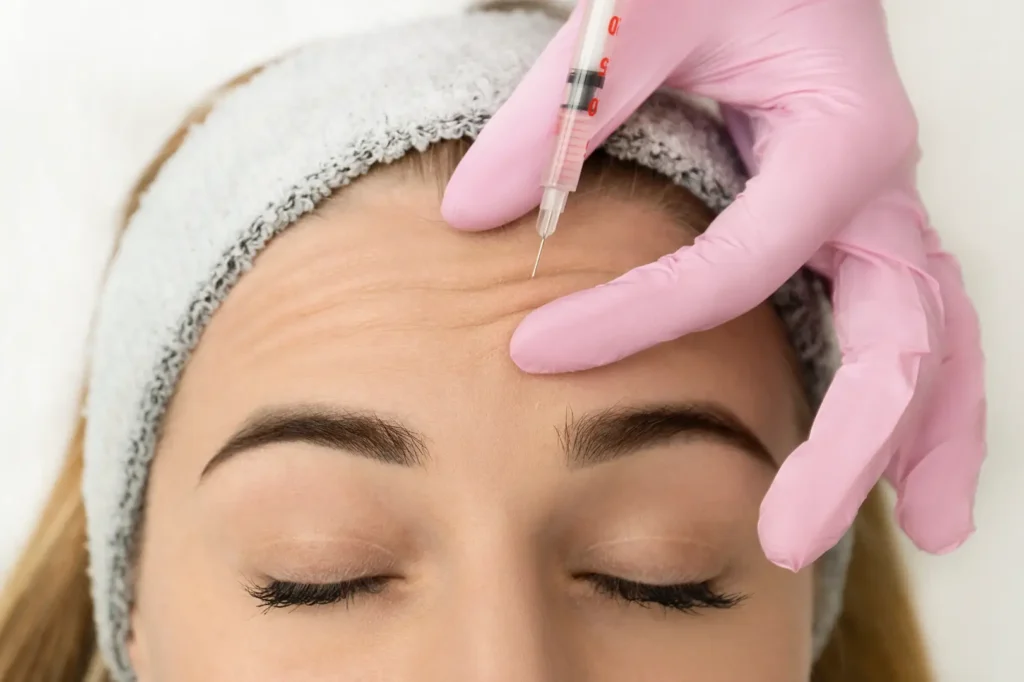
Neurotoxins are injectable treatments made with botulinum toxin type A. In aesthetics, they are used in small, controlled amounts to temporarily relax specific muscles that create dynamic wrinkles.
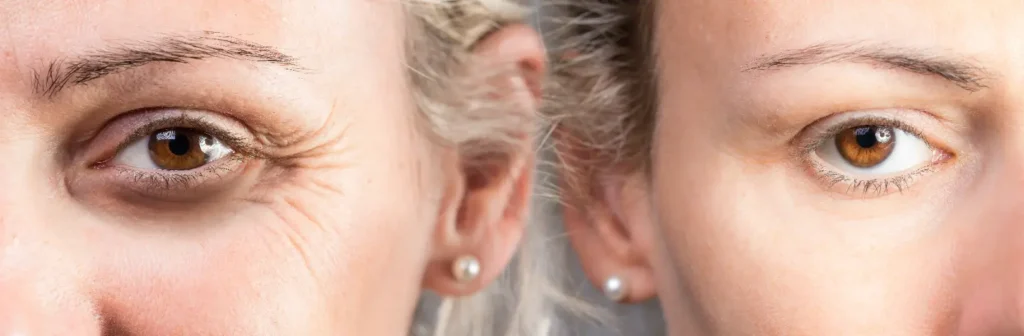
Dynamic wrinkles are lines caused by repeated facial movement, such as:
- Frowning
- Squinting
- Smiling
- Raising the eyebrows
- Wrinkling the nose
- Tightening the jaw
Common treatment areas include:
- Forehead lines
- Frown lines between the brows
- Crow’s feet
- Bunny lines
- Chin dimpling
- Lip flip
- Neck bands
- Masseter muscles
- Brow lifting support
Botox, Dysport, Xeomin, and Letybo all work by reducing muscle activity in carefully selected areas. However, the way each product behaves can vary slightly. That is why choosing a neurotoxin is less about picking the most famous brand and more about choosing the best match for your face, movement, and desired result.
The Main Players
Before comparing them, it helps to understand each option at a glance. Botox is the most widely recognized name in the neurotoxin family. It has been used for years and remains a trusted choice for softening expression lines.
Dysport is another popular option, often known for a slightly broader spread in certain treatment areas. Patients and providers sometimes discuss how Dysport spreads more than Botox, which can be helpful depending on the area and treatment goal. Xeomin is sometimes described as a “cleaner” or more purified option because it contains only the active neurotoxin ingredient without accessory proteins.
Letybo is one of the newer names in the category. Letybo botulinum toxin type A is designed to smooth dynamic lines while offering another choice for patients and providers.
1. Consider Your Treatment Goal
The first question is not which product is “best.” The better question is what you want the treatment to do. Some patients want subtle softening. Others want stronger smoothing. Some want prevention. Others want correction after lines have already become more visible at rest.
If your main concern is forehead lines, your provider may choose a product and dose that relaxes movement without dropping the brow. If your concern is crow’s feet, the treatment may focus on preserving the warmth of your smile while softening the lines around the eyes. Neurotoxin selection begins with your goal because each face requires a slightly different strategy.
2. Think About How Much Movement You Want to Keep
One of the biggest myths about neurotoxins is that treatment must erase expression. That is not true. Some patients want a very soft result with plenty of movement left. Others prefer a smoother, more polished look with less muscle activity. Neither preference is wrong. The key is communicating clearly before treatment.
An experienced injector can adjust dose, placement, and product choice based on how much movement you want to maintain. The best neurotoxin result should match your personality, comfort level, and lifestyle.
3. Understand the Difference Between Brands
All four options are neuromodulators, but they are not interchangeable in a casual way. Botox is often considered the classic choice. It is widely known and commonly used across many treatment areas.
Dysport may be selected when a provider wants a softer diffusion pattern in broader areas. This can be helpful in some cases, especially when treating larger muscle regions, but it still requires precision.
Xeomin may appeal to patients who prefer a product without accessory proteins. Some patients who have used neurotoxins for many years may ask about Xeomin when they want a streamlined formulation.
Letybo offers another modern option in the neurotoxin family. For patients interested in newer choices, Letybo may be discussed during consultation as part of a customized wrinkle-smoothing plan. The right choice depends on anatomy, history, treatment area, and provider preference.
4. Consider Your Facial Anatomy
No two faces move the same way. One patient may have strong forehead muscles and naturally heavy brows. Another may have deep frown lines but minimal forehead movement. Some patients squint heavily when they smile, while others form lines mainly from brow tension.
Your anatomy matters because neurotoxins affect movement. If the wrong muscle is treated too strongly, the result may look heavy, uneven, or overly still. A skilled injector studies how your face moves before choosing the product and placement.
This is why consultation is so important. Neurotoxin treatment should be mapped to your face, not copied from someone else’s.
5. Look at Your Treatment History
If you have had Botox, Dysport, Xeomin, or another neurotoxin before, your history can guide future choices. Your provider may ask:
- Which product did you use before?
- Did you like the result?
- How long did it last?
- Did it feel too strong or too light?
- Did one area wear off faster?
- Did you experience heaviness or asymmetry?
- How much movement returned and when?
Past treatment response can help determine whether to repeat the same product, adjust dosing, or try a different option. If you loved your previous result, there may be no reason to switch. If you felt underwhelmed or overly frozen, another neurotoxin strategy may be worth discussing.
6. Consider Onset Time
Patients often want to know how quickly results appear. Neurotoxins do not create instant smoothing, the way some fillers can create immediate volume. They work gradually as the treated muscles relax.
Some products may begin showing effects sooner for certain patients, while full results generally take longer to develop. This matters if you are planning treatment before an event. If you have photos, travel, a wedding, or a big presentation coming up, do not wait until the last minute. Give your neurotoxin time to settle so your provider can evaluate the final result.
7. Think About Longevity
Most neurotoxin results last for several months, but the duration varies from patient to patient. Factors that may influence longevity include:
- Product used
- Dose
- Treatment area
- Muscle strength
- Metabolism
- Exercise habits
- Facial movement patterns
- Treatment consistency
Some patients notice one product lasts slightly longer for them than another. Others find that longevity is more dependent on dose and placement than on brand. Your provider can help track your results over time and adjust your plan accordingly.
8. Know When Dysport May Be Helpful
Dysport may be a strong option when treating broader areas or patients who respond well to its diffusion pattern. In the right hands, Dysport can create beautiful, soft results.
In the wrong placement, any neurotoxin can affect nearby muscles unintentionally. That is why injector experience matters more than brand hype.
9. Know When Xeomin May Be Helpful
Xeomin is often chosen by patients who like the idea of a purified formulation. Because Xeomin does not contain accessory proteins, some patients prefer it for long-term use or when they want a more minimal formulation.
This does not mean Xeomin is automatically better than Botox, Dysport, or Letybo. It simply offers a different formulation style. For the right patient, it can be an excellent choice.
10. Know Where Letybo Fits In
Letybo gives patients another option in the expanding neurotoxin category. As a Letybo botulinum toxin type A treatment, it is designed to temporarily relax targeted muscles and soften expression lines. Patients interested in newer aesthetic options may ask whether Letybo is appropriate for their concerns.
A provider may recommend Letybo based on treatment goals, facial movement, product availability, and clinical judgment. The best way to approach Letybo is not as a trend, but as another tool. For some patients, it may be a beautiful fit. For others, Botox, Dysport, or Xeomin may still make more sense.
Smooth, Soft, and Still You
Botox, Dysport, Xeomin, and Letybo all offer ways to soften expression lines and create a smoother, more refreshed look. The right neurotoxin depends on your anatomy, treatment goals, past response, desired movement, and the expertise of your provider.
At Fame By You, patients can explore thoughtful neurotoxin options in a setting focused on natural-looking results, personalized care, and facial balance. Whether you are new to injectables or deciding between Botox, Dysport, Xeomin, or Letybo, the best treatment is the one that helps you feel confident while still looking unmistakably like yourself.
Call us today to schedule your consultation!

