

There’s something surprising about noticing your first forehead line. It might only appear when you raise your eyebrows, or perhaps you’ve spotted a faint crease between your brows that wasn’t there a few years ago.
Suddenly, you’re wondering whether it’s time to do something about it. With preventative Botox becoming increasingly popular, younger adults are exploring neuromodulators before wrinkles become deeply established.
Botox temporarily relaxes specific facial muscles, helping soften expression lines and potentially reducing the repetitive movements that contribute to their development. But does starting earlier actually prevent wrinkles, or are you committing to treatments before you need them? The answer is more nuanced than social media might suggest.
Continue reading to understand what preventative Botox can realistically accomplish, when treatment might make sense, and why your age shouldn’t be the deciding factor.
7 Things to Know About Preventative Botox
Preventative Botox is often described as a way to stay ahead of facial aging, but its benefits depend on how wrinkles develop and how the treatment is used. Understanding these ten considerations can help you decide whether starting earlier is worthwhile or whether waiting makes more sense.
1. Botox Targets Movement-Related Wrinkles
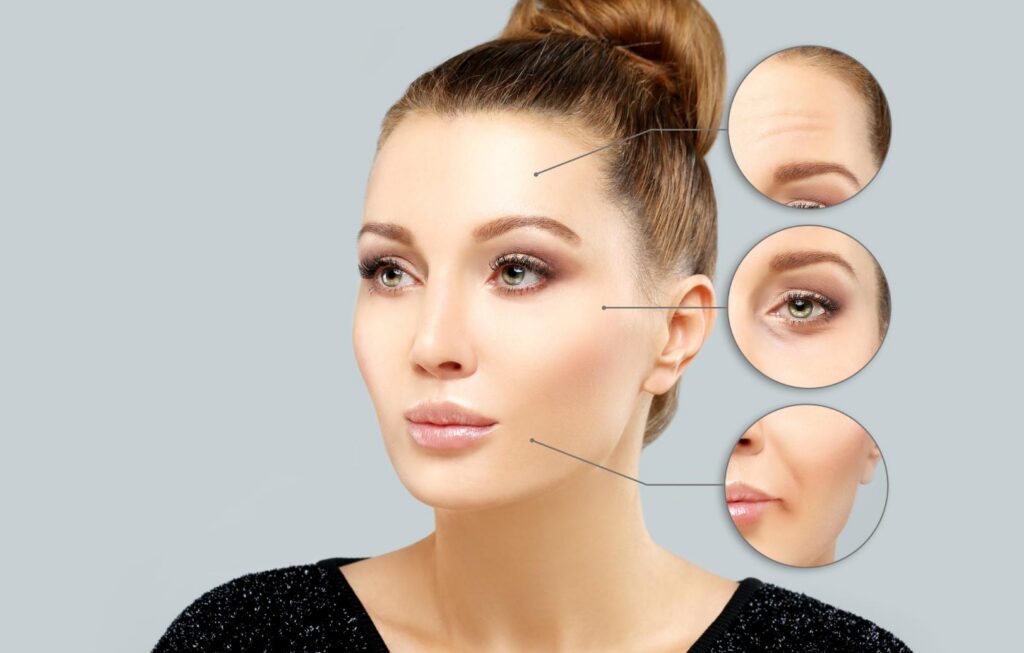
Not all wrinkles develop for the same reason, and that’s an important distinction when considering preventative treatment. Some lines appear because facial muscles repeatedly contract, while others develop from sun exposure, collagen loss, and changes in skin structure.
Botox works by temporarily blocking nerve signals to selected muscles. When those muscles relax, the skin above them experiences less repetitive folding.
This makes Botox particularly useful for dynamic wrinkles, which appear during expressions such as frowning, squinting, or raising your eyebrows. Common treatment areas include forehead lines, crow’s feet, and the vertical lines between the eyebrows.
Over time, repeated facial movements may contribute to lines that remain visible even when the face is relaxed. Reducing those movements may help limit one factor involved in wrinkle development.
However, Botox doesn’t prevent every type of wrinkle. It cannot stop natural collagen loss, sun damage, or the changes in facial volume that occur with aging. This is the foundation of neuromodulator prevention. The goal is to reduce selected muscle movements that contribute to expression lines, not to stop the entire aging process.
Understanding this distinction helps patients evaluate whether preventative treatment addresses their actual concerns.
2. Starting Early May Reduce Repetitive Creasing
The idea behind preventative Botox is relatively straightforward. If repeated muscle contractions contribute to wrinkle formation, reducing those contractions before lines become deeply established may help limit their progression.
For example, someone who frequently furrows their brows may notice faint vertical lines appearing between the eyebrows. Botox can temporarily reduce the muscle activity responsible for those expressions.
When treatment is maintained appropriately, the skin experiences less repetitive folding during the medication’s active period. This may help reduce the development or deepening of certain expression-related lines.
However, there’s an important difference between a plausible mechanism and definitive proof of long-term prevention. Large, high-quality studies following younger patients for decades are limited.
That means the question of whether Botox prevents wrinkles doesn’t have a simple yes-or-no answer. Botox can reduce the movements that contribute to dynamic wrinkles, but it hasn’t been proven to prevent facial aging altogether.
Patients should also understand that treatment effects are temporary. Once the medication wears off, normal muscle activity gradually returns. Preventative Botox may be useful for selected individuals, but it shouldn’t be presented as a guarantee of wrinkle-free skin in the future.
3. Your Age Isn’t the Main Factor
One of the biggest misconceptions about preventative Botox is that everyone should begin treatment at a particular age. Some people hear that their mid-twenties are ideal, while others believe they should start before turning thirty.
In reality, there’s no universally recommended age for beginning cosmetic Botox. Facial anatomy, muscle activity, skin condition, and personal preferences vary considerably.
Someone in their late twenties may have noticeable expression lines, while another person in their forties may have relatively few. Genetics, sun exposure, and lifestyle habits can contribute to these differences.
When considering starting Botox in 20s or 30s, the more useful question is whether there’s a specific concern that treatment could reasonably address. If your skin remains smooth when your face is relaxed, you may not need injectable treatment. Preventative care doesn’t automatically require beginning Botox before wrinkles appear.
A consultation can help evaluate whether muscle movement is contributing to visible lines. It can also identify whether skincare, sun protection, or simply waiting may be appropriate. Your birthday shouldn’t determine your treatment schedule. Your individual needs should guide the decision.
4. Baby Botox Isn’t a Separate Product
The term baby Botox has become increasingly popular among patients who want subtle results. However, it doesn’t refer to a different medication or a special formulation designed for younger adults.
Instead, baby Botox generally describes an approach involving smaller doses or more conservative treatment patterns. The intention is often to soften selected muscle movements while preserving natural facial expression.
For example, a provider may recommend a conservative treatment plan for someone with mild forehead lines. The exact dose depends on muscle strength, anatomy, and the area being treated.
However, smaller doses don’t automatically produce better results. An insufficient dose may provide limited improvement or wear off sooner, while poorly placed injections can still cause unwanted effects.
It’s also important to understand that the phrase isn’t a standardized medical protocol. Different providers may use it to describe different treatment techniques. Patients should therefore ask what the proposed treatment actually involves rather than relying on the name.
The number of units, injection sites, and expected results deserve clear explanation. Subtle treatment can be appealing, but careful planning matters more than a popular label.
5. Botox Can’t Prevent Every Wrinkle
Facial aging involves several processes happening simultaneously. Repeated muscle movements are only one part of the picture. Ultraviolet exposure contributes to collagen breakdown and premature skin aging. Natural changes in collagen, elastin, facial fat, and bone structure also influence how wrinkles develop.
Botox doesn’t directly correct all these changes. Its primary cosmetic effect comes from temporarily reducing muscle activity in targeted areas. For example, Botox may soften crow’s feet associated with smiling or squinting. However, it cannot prevent every fine line caused by sun damage or changes in skin texture.
Patients wondering can Botox stop wrinkles before they form should understand that the answer depends on the type of wrinkle. It may help reduce selected expression-related lines while treatment is active, but it cannot prevent all future facial creases. This is why daily sun protection remains an important part of preventative skincare.
Broad-spectrum sunscreen and appropriate skincare habits address factors that Botox doesn’t. A balanced approach is often more useful than relying on one treatment to accomplish everything. Preventing unnecessary skin damage and managing expression lines are different goals.
6. Results Are Temporary
One reason preventative Botox requires thoughtful consideration is that its effects don’t last indefinitely. Most patients experience temporary muscle relaxation that gradually diminishes over several months. For many cosmetic applications, results last approximately three to four months, although individual responses vary. Muscle activity returns as the medication’s effects wear off.
Patients who want to maintain reduced movement may consider repeat treatment. However, there’s no requirement to continue injections simply because you’ve started. Stopping Botox doesn’t cause wrinkles to suddenly become worse than they would have been otherwise. As muscle movement returns, expression-related lines may gradually reappear or continue developing.
This distinction matters because some patients worry that beginning Botox creates a permanent commitment. The treatment is temporary, and future appointments remain a personal decision. However, repeated injections also involve ongoing costs and exposure to procedural risks. These factors deserve consideration when discussing preventative treatment.
The goal should be to choose a schedule that addresses an actual concern rather than maintaining treatment out of fear.
7. Earlier Treatment Isn’t Always Better
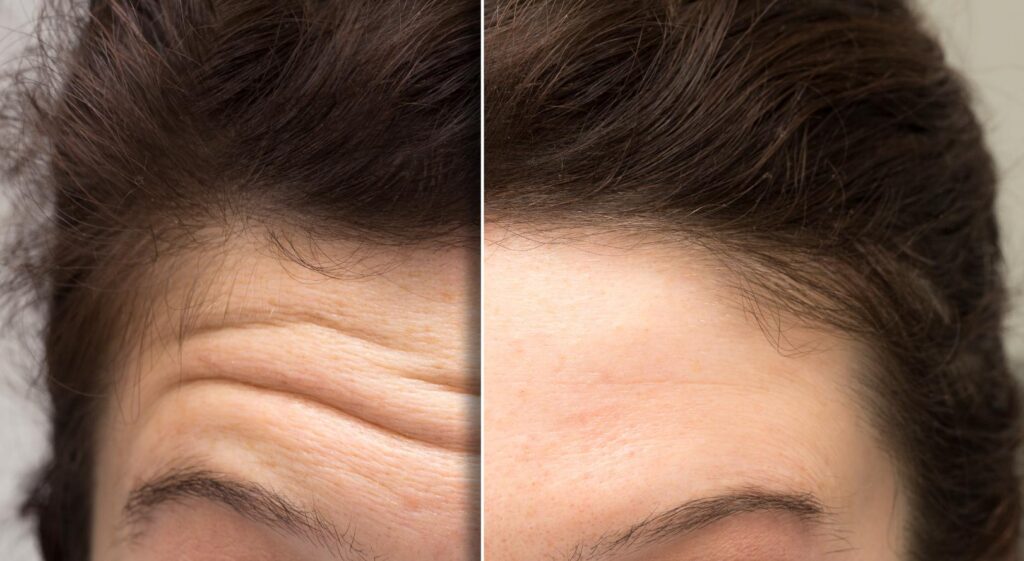
Preventative skincare has become a major beauty trend, but more treatment doesn’t automatically mean better long-term results. Beginning Botox before there’s a meaningful concern may offer limited benefit.
For example, someone with minimal facial movement and no visible expression lines may not gain much from routine injections. In that situation, the expense and procedural risks may outweigh the uncertain preventative benefit.
This is especially relevant when patients ask does preventative Botox work. The treatment can reduce muscle activity, but whether early treatment provides a meaningful long-term advantage depends on individual circumstances.
There also isn’t strong evidence establishing that beginning cosmetic Botox at twenty-five produces better lifelong outcomes than starting later when wrinkles become noticeable. Patients should be cautious of claims suggesting that waiting until your thirties or forties means you’ve missed your opportunity. Botox can still improve selected dynamic wrinkles after they develop.
The decision should reflect your current appearance, preferences, and medical suitability. Starting early is an option, not a requirement. Sometimes, the most appropriate preventative treatment is simply a consistent skincare routine and regular reassessment.
Start When It Makes Sense for You
You don’t need to race against the calendar to care for your skin. Neuromodulators such as Botox may help reduce the muscle movements that contribute to certain wrinkles, but starting early isn’t necessary for everyone.
At Fame By You, patients can explore personalized Botox treatments based on their facial anatomy, concerns, and aesthetic preferences. Book a consultation to discuss whether preventative treatment is appropriate for you or whether your current skincare routine is enough.

