

Dull skin can be frustrating because it rarely has one single cause. Sometimes it comes from dry skin, clogged pores, sun exposure, stress, aging, makeup buildup, or a skincare routine that simply is not doing enough anymore. You may wash your face, moisturize, and wear sunscreen, but the skin still looks tired, uneven, or flat.
That is where facials can help. A well-chosen facial can refresh the skin, clear away buildup, improve hydration, and support a smoother, brighter appearance. But not all facials are created for the same purpose. A relaxing spa facial and a results-focused medical facial can both feel wonderful, but they are designed with different goals in mind.
If you have ever wondered whether your skin needs pampering or a more targeted treatment plan, read on. Understanding the difference between a medical facial and a spa facial can help you choose the right experience for your skin.
What Are Facials?
Facials are professional skin treatments designed to cleanse, exfoliate, nourish, and improve the appearance of the skin. Depending on the type of facial, the treatment may focus on hydration, pore cleansing, calming irritation, brightening uneven tone, reducing congestion, or supporting overall skin health.
The key difference is not whether one facial is “good” and the other is “bad.” The difference is purpose. A spa facial often focuses on relaxation, sensory experience, and surface-level refreshment. A medical facial is usually more clinical, more customized, and more targeted toward visible skin concerns.
More Than a Glow
Many patients come in wanting “glowing skin,” but the path to glow depends on what is causing the dullness. This is where the conversation around med spa facial vs. day spa facial becomes important.
A day spa facial may be perfect when the skin needs gentle care, light hydration, and a calming experience. A medical facial may be better when the skin is dealing with acne, pigmentation, texture changes, clogged pores, sensitivity, or signs of aging that need a more strategic approach.
1. The Goal Is Different
The first difference is the intention behind the treatment. A spa facial is often designed to help patients relax while giving the skin a soft refresh. The experience may include massage, aromatherapy, calming masks, and gentle products. It can be a beautiful way to unwind and maintain the skin when there are no major concerns.
A medical facial is more focused on results. It may still feel soothing, but the priority is skin improvement. The provider is looking at what the skin needs clinically, whether that is deeper cleansing, exfoliation, hydration, brightening, oil control, or post-treatment recovery.
If your goal is relaxation, a spa facial may fit beautifully. If your goal is visible change, a medical facial may be the better choice.
2. Medical Facials Begin With Skin Analysis
A medical facial usually starts with a more detailed skin evaluation. The provider may look at texture, pigmentation, breakouts, redness, pore congestion, dryness, sensitivity, and signs of aging. They may also ask about medications, recent procedures, skincare products, sun exposure, and skin goals.
This matters because the wrong product or treatment intensity can irritate the skin. A thoughtful analysis helps determine what the skin can tolerate and what approach will be most beneficial. A spa facial may also include a skin review, but a medical facial typically places more emphasis on targeted assessment and treatment planning.
3. Product Strength May Be Different
Medical facials often use professional-grade products that may be more active than products used in a traditional spa setting. These may include ingredients designed to address:
- Acne-prone skin
- Hyperpigmentation
- Fine lines
- Rough texture
- Dehydration
- Congestion
- Sun damage
- Uneven tone
This does not mean stronger is always better. It means product selection should match the patient’s skin type and goals. A gentle product used correctly can be more effective than an aggressive product used at the wrong time.
4. Exfoliation Can Go Deeper
Both spa facials and medical facials may include exfoliation, but the depth and method can vary. A spa facial may use mild scrubs, enzymes, or gentle exfoliating masks. These can leave the skin feeling soft and refreshed.
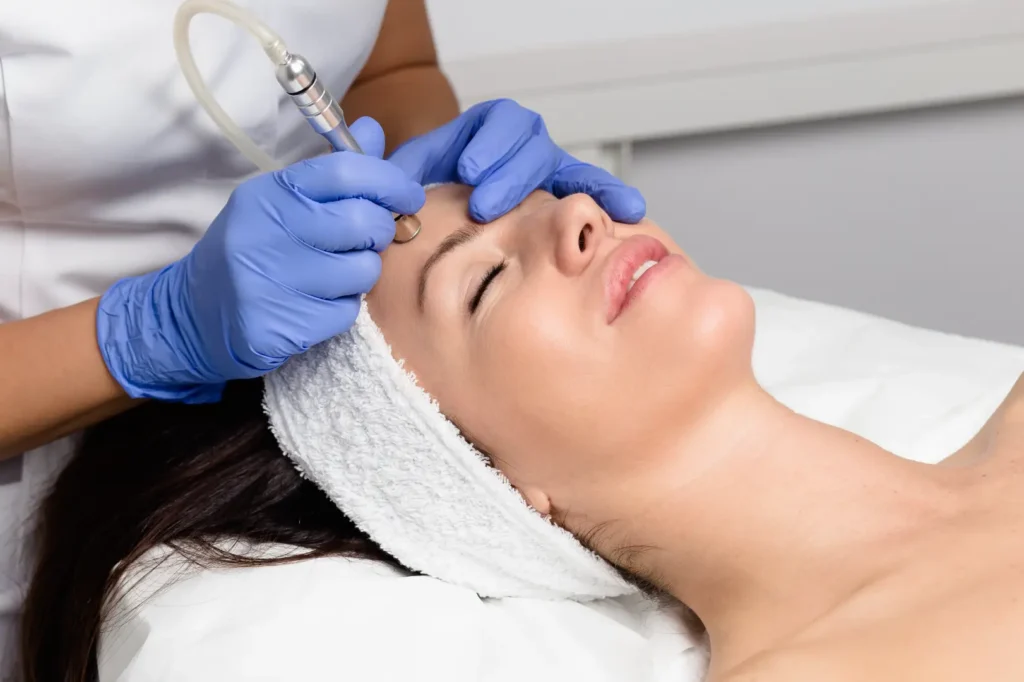
A medical facial may use more advanced exfoliation methods depending on the patient’s needs. This may include professional acids, dermaplaning, device-based exfoliation, or other methods designed to improve texture and brightness.
For patients struggling with stubborn dullness, a deeper professional approach may help remove buildup more effectively than at-home scrubs or light spa exfoliation.
5. Medical Facials Can Target Pigmentation
Hyperpigmentation can be one of the most stubborn skin concerns. Dark spots, melasma-like discoloration, post-acne marks, and sun-related uneven tone often require more than a relaxing facial. Patients seeking a facial for hyperpigmentation treatment may benefit from a medical facial because it can be designed around brightening, exfoliation, and pigment-supportive skincare.
A medical facial may help improve the look of uneven tone by supporting cell turnover, calming inflammation, and preparing the skin for a more consistent home care routine. Pigmentation usually takes time to improve, so treatment planning matters. One facial can refresh the skin, but a series of treatments and proper home care often create more meaningful results.
6. Pore Care Is More Thorough
Clogged pores can make the skin look textured, dull, and uneven. A deep cleansing medical facial is often designed to address congestion more thoroughly than a traditional relaxation facial. It may include professional exfoliation, extractions, targeted masks, and ingredients that help reduce excess oil and buildup.
This can be especially helpful for patients who struggle with blackheads, breakouts, enlarged pores, or recurring congestion. A spa facial may cleanse the skin beautifully, but a medical facial may be more appropriate when clogged pores are persistent or tied to acne-prone skin.
7. Extractions Are More Strategic
Extractions can be helpful, but they should never feel careless. Medical facials often approach extractions with more clinical judgment. The provider decides which areas are appropriate to extract and which should be left alone to prevent irritation, inflammation, or scarring.
This is especially important for patients with acne, sensitive skin, or darker skin tones who may be more prone to post-inflammatory pigmentation. The goal is not to “clear everything” aggressively. The goal is to improve the skin without creating new problems.
8. Medical Facials Can Support Acne-Prone Skin
Acne-prone skin needs consistency and care. A spa facial may feel soothing, but some products used for relaxation may not be ideal for acne-prone patients. Heavy oils, rich creams, or overly stimulating massage may not fit every skin type.
A medical facial can be customized to reduce congestion, calm inflammation, and support a clearer-looking complexion. It may also be paired with home care recommendations to help patients maintain results between visits. For acne-prone patients, the provider’s knowledge matters as much as the treatment itself.
9. Spa Facials Focus More on Relaxation
There is nothing wrong with wanting a facial that feels peaceful. A spa facial can be a wonderful choice when stress relief is the main goal. The environment, touch, scents, and slower pace can help patients feel restored.
For many people, emotional relaxation also benefits the skin indirectly. Stress can affect habits, sleep, hydration, and inflammation. The important point is knowing what you are booking. If you want deep correction, choose a medical facial. If you want calm pampering, a spa facial may be exactly right.

10. Medical Facials Often Include Treatment Planning
A medical facial is frequently part of a larger skin plan. The provider may recommend a series of facials, medical-grade skincare, chemical peels, microneedling, laser treatments, or injectables depending on the patient’s goals. The facial becomes one piece of a broader strategy.
This is helpful for patients who feel stuck. If they have tried many products and still see dullness, texture, breakouts, or pigmentation, a medical facial can help identify what the skin actually needs. A treatment plan creates direction instead of guessing.
A Smarter Way to Glow
Facials can be relaxing, corrective, restorative, or all of the above when chosen thoughtfully. A spa facial may help patients unwind and enjoy a beautiful surface refresh, while a medical facial can target deeper skin concerns such as congestion, dullness, uneven tone, and hyperpigmentation.
At Fame By You, patients can explore facials through a more personalized approach that respects both skin health and aesthetic goals. Whether your skin needs a deep cleansing medical facial or support for pigmentation, the right treatment can help your complexion look healthier, clearer, and more radiant.
The best facial is not the one with the prettiest name. It is the one that understands your skin. Connect with us today to schedule your consultation!

